SonicNest — Music Player
- 4.3
- Rating
- 10.00M
- Installs
- Free
- Price

 Analysis by App-foxy
I approached SonicNest as a music and audio app rather than assuming that its promise of a “music universe” would automatically make it a complete replacement for every player on my phone. That distinction matters. A music player can be useful because it keeps listening simple, but it can also become uncomfortable when it asks for more access, more setup, or more personal information than the task seems to require. My experience with this app is therefore best understood through two questions: how practical it feels during ordinary listening, and how clearly it lets me remain in control.
Created by YIXIANG, SonicNest is free to use and is rated for Everyone. It arrived on April 3, 2025, and the current release is version 1.3.3, working on Android 8.0 or later. Its presence is already fairly substantial, with more than ten million installs and an average score of 3.7 from roughly ten thousand ratings. Those figures suggest that many people have tried it, but the rating also tells me not to treat popularity as proof that it will suit every listener.
How SonicNest feels as a daily music player
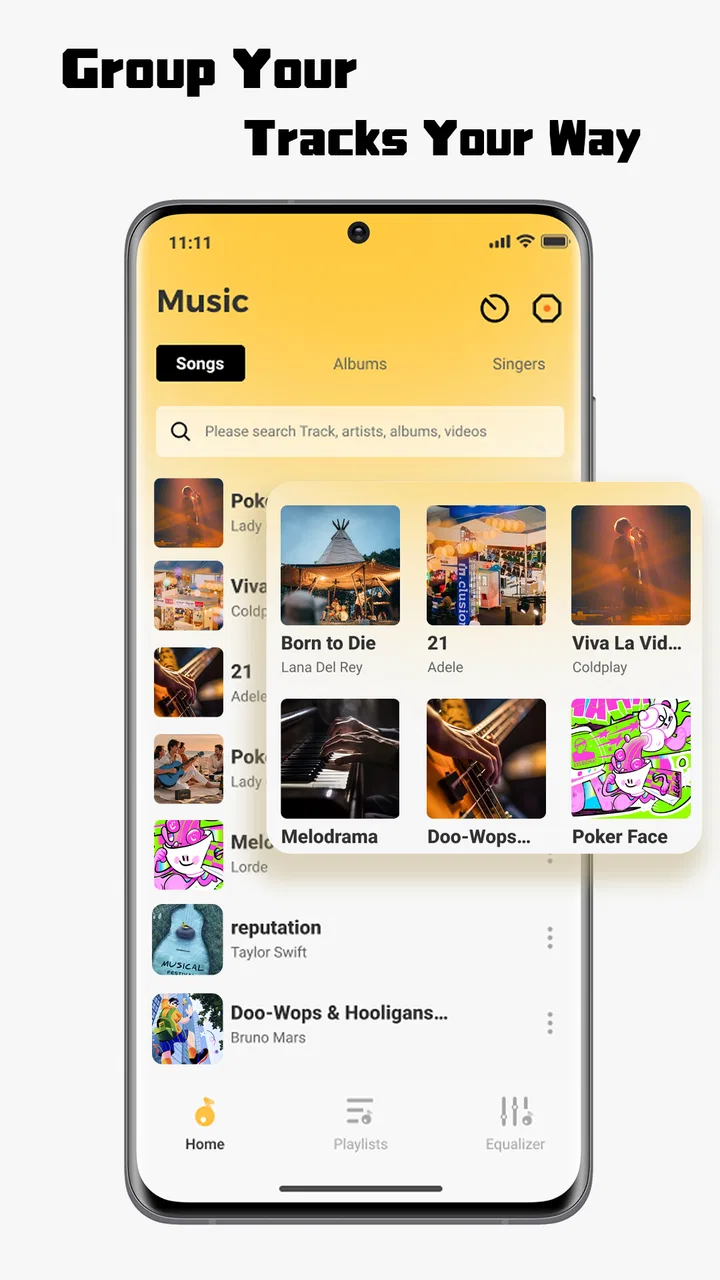
The first thing I look for in a music app is not decoration. I want to reach a track quickly, understand what is playing, and return to the same listening routine without having to relearn the interface. SonicNest is most appealing when I treat it as a focused listening space: open it, choose something familiar, and let the audio take over. The short name and compact idea behind it make sense for people who want music to feel separate from the clutter of social feeds, video recommendations, and general-purpose streaming services.
You May Also Like

 Blood Strike: 2.5 Anniversary
Blood Strike’s Loadouts Turn Every Drop Into a Tactical Gamble
A close look at Blood Strike’s custom loadouts: how fast access to signature weapons reshapes its battle royale rhythm, rewards preparation, and narrows the gap between fights.

 Pandora - Music & Podcasts
Pandora’s Music Is Easy to Start, but Harder to Recover
Pandora’s strength is its low-effort path from a seed to a station. Its weak spot is how much confidence it asks you to place in connection, setup, and quiet recovery.

 8 Ball Pool
 Is Built on Rivalries, Rematches, and Routine
A close look at the rivalries, rematches, shared routines, and unanswered safety questions that turn a quick pool match into a persistent mobile community.

 Samsung Music
’s Quiet Strength Is Playing What You Already Own
Its reach comes less from spectacle than from dependable access to a personal library. That simplicity is both the app’s strongest retention engine and its ceiling.

 AccuWeather: Weather Radar
AccuWeather Review: A Quick, Clear Forecast for Everyday Decisions
For everyday plans, the best forecast is the one you can understand quickly. AccuWeather makes rain timing, radar, and local conditions easy to act on, with a few trade-offs.

 Hill Climb Racing
Why Hill Climb Racing Still Turns Crashes Into One More Run
A tiny car, a bumpy hill and one more upgrade: Hill Climb Racing keeps resurfacing because its simple chaos makes every near-miss feel personal.
More From Our News Desk



That focus is also where I would set expectations carefully. A player with a broad, atmospheric identity can sound more ambitious than a straightforward local library tool, but the useful question is what you personally need from it. If your priority is uncomplicated playback, SonicNest is worth testing. If you expect the depth of a large streaming platform, extensive editorial discovery, or a mature ecosystem built around subscriptions and synced libraries, a conventional streaming service may still be the better fit.
I found the app easier to judge when I used it in short, ordinary sessions rather than trying to turn it into the center of my entire music life. A quick listening break, background sound while tidying up, or a familiar playlist before bed are reasonable situations for evaluating whether its presentation helps or distracts. This approach also exposes friction quickly: if finding one song takes too much effort, no amount of visual atmosphere can compensate.
Where it fits beside familiar alternatives
Compared with a standard phone music player, SonicNest has a more distinct identity. The default player that comes with a handset is often practical but forgettable, while this app is clearly trying to make listening feel like an experience. Compared with major streaming apps, however, it should be judged less by the size of a catalog and more by how comfortable its listening flow is. Streaming alternatives are usually stronger when you want cloud access, broad discovery, and continuity across devices. A dedicated player can be preferable when you want a quieter, more personal routine.
That trade-off is important for anyone deciding whether to install it. I would not recommend changing from a well-established service merely because SonicNest has an appealing name or a polished concept. I would recommend trying it alongside your current player and comparing the moments that matter: how quickly you start listening, how much information the app requests, whether controls are understandable, and whether it gives you enough choice to stop using it without feeling locked into a particular workflow.
Trust starts before the first song
Because SonicNest is a relatively recent release, I pay attention to the relationship between its simple purpose and the choices it presents during setup. A music player should make its core function easy to understand. It should also make any request for access or account involvement visible at the moment it matters, rather than burying that decision behind vague wording. I do not treat a high install count as a substitute for clear controls, and I do not treat a lower average rating as evidence that the app is unsafe. Those are separate questions.
My practical advice is to read each Android permission prompt instead of approving everything automatically. The operating system is the place where access can be reviewed and changed, so I would use it as an active control panel rather than a one-time obstacle. If a permission appears unrelated to what I am trying to do, I would pause and decide whether the feature is worth that access. If a permission is needed for a part of the experience I actually want, I would grant it deliberately and revisit it later.
This is especially useful with any audio application because music libraries, media files, notifications, and device behavior can intersect in ways that are not obvious at first glance. I prefer to separate “I want to listen” from “I want to enable every possible convenience.” SonicNest is easier to trust when I make those choices one by one, keeping only the access that supports my own routine.
Controls that matter in real use
One of the less obvious tests I apply to a music player is how well it handles interruption. Listening rarely happens in a perfect bubble: a call arrives, another app plays a sound, the phone enters a low-power state, or I simply need to stop immediately. I would test SonicNest during those moments rather than judging it only while a song is playing uninterrupted. A player that feels good in a calm session but becomes confusing when audio is interrupted is not as dependable as it first appears.
I also pay attention to whether the app lets me make small decisions without forcing a larger commitment. For example, I want to be able to stop listening, leave the app, or remove its access through Android settings without having to search through a maze of account screens. The most trustworthy music workflow is the one that keeps ordinary actions reversible. That principle is more valuable to me than a crowded feature list.
Another useful test is to use the app with a deliberately narrow purpose. I might open it only for a short evening session, avoid changing every setting, and see whether the default behavior is comfortable. Then I would adjust one choice at a time. This reveals which parts of SonicNest genuinely improve listening and which parts are simply visual or optional. It also prevents me from granting broad access before I understand what I am getting in return.
Handling personal and device-sensitive moments
Music apps can touch personal habits even when they do not look like social products. My listening times, favorite artists, saved material, and device activity can all feel personal. That is why I would inspect the app’s visible privacy information and Android’s permission controls before making it part of a daily routine. I would look for plain explanations, clear choices, and a straightforward way to withdraw access. If those controls are difficult to find, that becomes a usability problem as much as a privacy concern.
I would also avoid assuming that an app is private merely because it is free. Free describes the price, not the complete relationship between the user and the product. SonicNest costs nothing to install, which lowers the barrier to testing it, but I would still make decisions based on the permissions and choices shown on my own device. If I am using a shared phone, a work device, or a handset containing sensitive media, I would be more conservative and review access before importing or exposing anything personal.
There is a practical advantage to this cautious approach: it keeps the trial low-risk and informative. I can begin with the minimum setup, observe how the app behaves, and decide whether its benefits justify any additional access. If I later stop using it, I can remove it and review the operating system’s permission history. That is a better habit than installing first and investigating only after a concern appears.
Who is likely to enjoy it
SonicNest is a reasonable candidate for listeners who want a dedicated music environment and are willing to spend a little time deciding how it fits their habits. It may suit someone who is tired of opening a large streaming service for a single listening task, or someone who prefers a separate audio space on an older Android phone. Its support for Android 8.0 and later makes it accessible to people who are not using the newest handset, which is useful when replacing a phone is not part of the plan.
I can also see it working for a listener who values intentional routines. Instead of allowing recommendations, notifications, and unrelated content to dictate the next track, that person can open the app with a specific purpose: a short focus session, a familiar album, or background listening during a household task. The important point is not that SonicNest magically creates concentration. The benefit comes from using a music-only environment with fewer distractions, provided the interface itself remains easy to control.
It is less convincing for someone who wants a complete, cloud-centered music service with a large discovery engine, highly developed social features, or a seamless multi-device history. I would also hesitate to recommend it as the only player for a user who depends on advanced organization and expects every library-management option to be obvious. In those cases, a mature alternative may save time even if it feels less distinctive.
A realistic everyday test
Imagine that I am preparing dinner after work and want music without turning the moment into a search session. I open SonicNest, start something familiar, place the phone away from the counter, and let the app do one job. If a notification or call interrupts, I check whether returning to playback feels natural. When I finish, I stop the session and close the app instead of leaving it active by habit. The next evening, I repeat the process with one different listening choice.
This small routine tells me more than a long first impression. I learn whether the app is quick enough for casual use, whether its controls remain understandable when I am not looking closely, and whether it encourages unnecessary setup. I also learn whether I am comfortable with the access it has received. If the app makes this simple scenario pleasant without demanding more involvement than I want to give, it earns a place on my phone. If it turns a two-minute task into maintenance, I would return to the simpler player already installed.
A second useful test is to try it during travel preparation. Before leaving home, I would check what I need for the session, confirm the app’s visible choices, and avoid assuming that every listening situation will behave identically when connectivity or device conditions change. I would rather discover a limitation during a controlled trial than depend on any music app without checking how it fits my particular routine.
What the rating tells me—and what it does not
The 3.7 average from about ten thousand ratings gives SonicNest a mixed public reception. I read that as a reason to test it personally, not as a verdict. Music apps are judged very differently depending on a listener’s library, phone, expectations, and tolerance for extra steps. Someone who wants a calm player may appreciate the concept, while another person may find it too limited beside a familiar streaming service.
The number of written reviews is much smaller than the number of ratings, with just over one hundred reviews. That makes individual comments potentially useful for spotting recurring friction, but I would avoid treating a handful of opinions as universal. My own evaluation would focus on repeatable behavior: whether playback is dependable for me, whether the controls are clear, and whether the permission choices match the app’s purpose.
The app’s ten-million-plus install level does provide confidence that it is not an obscure experiment with no audience. Still, scale does not answer the questions that matter most to a privacy-conscious user. I would continue to inspect the choices shown in the app and in Android settings, especially after updates. Version 1.3.3 is the current release, so I would also keep an eye on whether future changes alter the interface or access requests before assuming that my first setup remains unchanged forever.
My cautious recommendation
After weighing the listening experience against the trust questions, I see SonicNest as a free app worth a careful trial, not an automatic replacement for every music tool. Its strongest case is for people who want a separate audio space, prefer a focused routine, and are comfortable evaluating it through their own device controls. The Everyone age rating and broad Android compatibility make trying it straightforward, but those points should not replace personal judgment about access and data choices.
I would install it with a limited plan: review each prompt, start with the smallest useful setup, test interruption and return-to-playback behavior, and compare it directly with the player I already use. If SonicNest makes ordinary listening easier while keeping its choices understandable, it can become a pleasant part of the phone. If it asks for more involvement than the listening benefit justifies, I would skip it and choose a more established alternative.
My final view is deliberately measured. SonicNest has a clear appeal as a music and audio app with a distinctive presentation, and its free entry point makes experimentation easy. But the right recommendation depends on the user’s priorities. If control, transparency, and a simple listening routine matter more to you than a huge service ecosystem, SonicNest is worth exploring carefully. If you need the broadest catalog, mature synchronization, or highly predictable library management, another option will probably serve you better.
FAQs for SonicNest — Music Player
01What features does SonicNest offer for music playback?
SonicNest provides a rich array of features to enhance your music listening experience. It includes customizable playlists, a powerful equalizer, offline playback, and seamless integration with various streaming services. The user-friendly interface and advanced search options make it simple to find and play your favorite tracks effortlessly.
02Is SonicNest compatible with both Android and iOS devices?
Yes, SonicNest is designed to be fully compatible with both Android and iOS platforms. This ensures that users across different devices can enjoy the same high-quality music experience. Regular updates are deployed to maintain compatibility with the latest operating system versions and device models.
03Can SonicNest be used without an internet connection?
Absolutely, SonicNest supports offline playback, allowing you to enjoy your music library without an active internet connection. Simply download your favorite tracks while online, and they will be accessible anytime, anywhere. This feature is especially useful for users who travel frequently or have limited data plans.
04How does SonicNest ensure user privacy and data security?
SonicNest prioritizes user privacy and data security by implementing robust encryption protocols and secure login methods. User data is never shared with third parties without consent. Additionally, the app offers customizable privacy settings, giving users control over their personal information and how it is used within the app.
05Are there any subscription costs associated with using SonicNest?
SonicNest offers both free and premium subscription options. The free version includes basic features with occasional ads, while the premium version provides an ad-free experience along with additional features like enhanced audio quality and exclusive content. Users can choose the plan that best fits their needs and budget.
Pros
- User-friendly interface with sleek design.
- Extensive playlist customization options.
- High-quality audio streaming available.
- Offline mode for uninterrupted listening.
- Compatible with various audio formats.
Cons
- Ads can be intrusive in the free version.
- Limited social sharing features.
- Some advanced features require a subscription.
- Occasional app performance lags.
- No integration with smart home devices.

SonicNest — Music Player
Gallery